
Trace and Access Explained: What Insurers and Loss Adjusters Need to Know
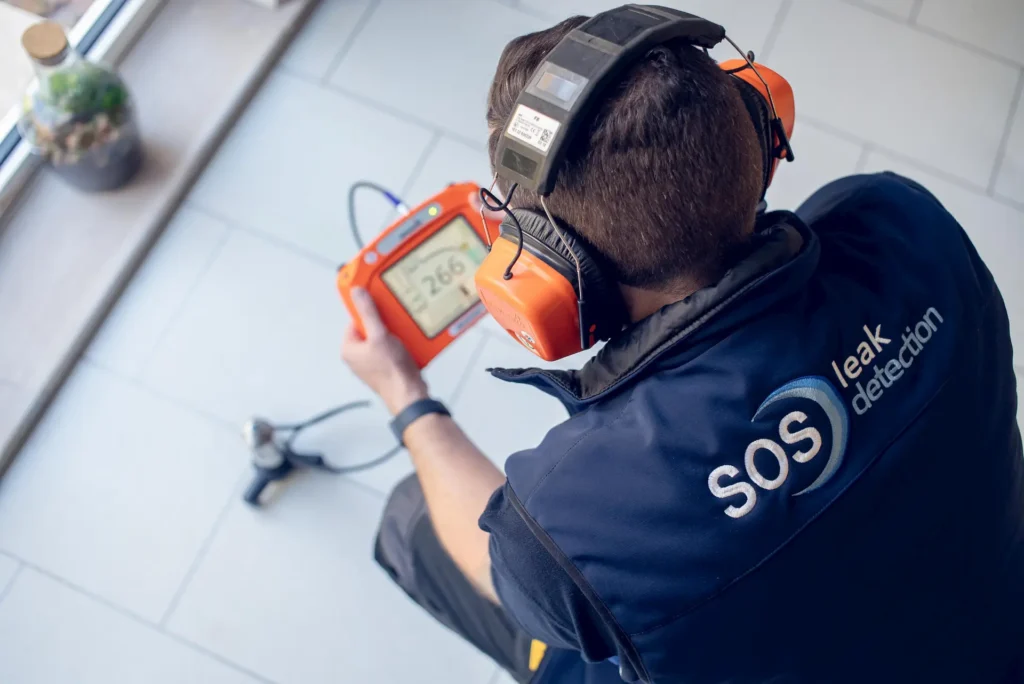
Trace and access insurance is a common source of confusion in property claims. It concerns the cost of locating the source of a covered escape of water and gaining access to it, where the policy provides that cover. The cost of repairing the leaking pipe or fitting and the cost of repairing damage caused by escaped water are separate questions. Each depends on the policy wording and the circumstances of the claim. Clear reporting helps insurers and loss adjusters assess those costs and explain the next steps to the policyholder.
What is trace and access cover, and what does it include?
Where the policy provides trace and access cover and its conditions are met, it may pay for the reasonable work needed to locate a leak and open up the structure to reach it. It may also include making good damage caused by that access, subject to the wording and limits. Repairing or replacing the failed pipe, fitting or appliance is a separate cost and should not be assumed to be covered. Damage caused by escaped water may fall under the escape of water section of the policy. The insurer or loss adjuster should confirm what applies to the particular claim before anyone promises cover to the policyholder.
The five-step journey from reported damage to resolved claim
A well-run trace and access leak detection case tends to follow the same shape. First, the reported damage is investigated to understand what's actually being seen and where. Second, non-invasive methods, acoustic profiling, thermal imaging and tracer gas testing among them, are used to find the actual source rather than the visible symptom. Third, findings are documented in a clear report with photographic evidence. Fourth, once the source is confirmed, repair can proceed, though this is a separate matter for the trace and access investigation itself. Fifth, clear next steps and a defined timeline keep the claim progressing rather than stalling while everyone waits to hear what happens next.
Why clear reporting speeds up an escape of water claim
A report that clearly separates what was found from what's recommended, with photographic evidence and a defined cause, gives a loss adjuster what they need to move a claim forward without a second visit or a follow-up query. Ambiguous findings, or a report that describes symptoms without confirming a cause, tend to be the ones that stall in review.
What insurers and loss adjusters should expect from insurance leak detection services
Speed of response matters, but so does consistency of documentation across a caseload. A specialist providing insurance leak detection across UK-wide claims needs to produce reports that hold up the same way whether the job was done on Monday or three weeks later, since inconsistent documentation is what turns a routine claim into a queried one.
For a policyholder, being told that leak investigation costs may fall under trace and access is often the first time they have heard the term. An accurate explanation separates the investigation and access work, repair of the failed component and reinstatement of resulting water damage. The report should record the findings clearly so the insurer can make its coverage decision under the policy.
For insurers and loss adjusters managing trace and access claims, get in touch to discuss investigation methods and reporting standards.
SOS Leak Detection Ltd
Nationwide specialist leak detection
0800 046 3492 | enquiries@sosleakdetection.com
sosleakdetection.com
Explore our leak detection services


Contact Your Leak Detection Specialists Today
"*" indicates required fields