
Awaab's Law and Recurring Damp: A Property Manager's Guide to Compliance
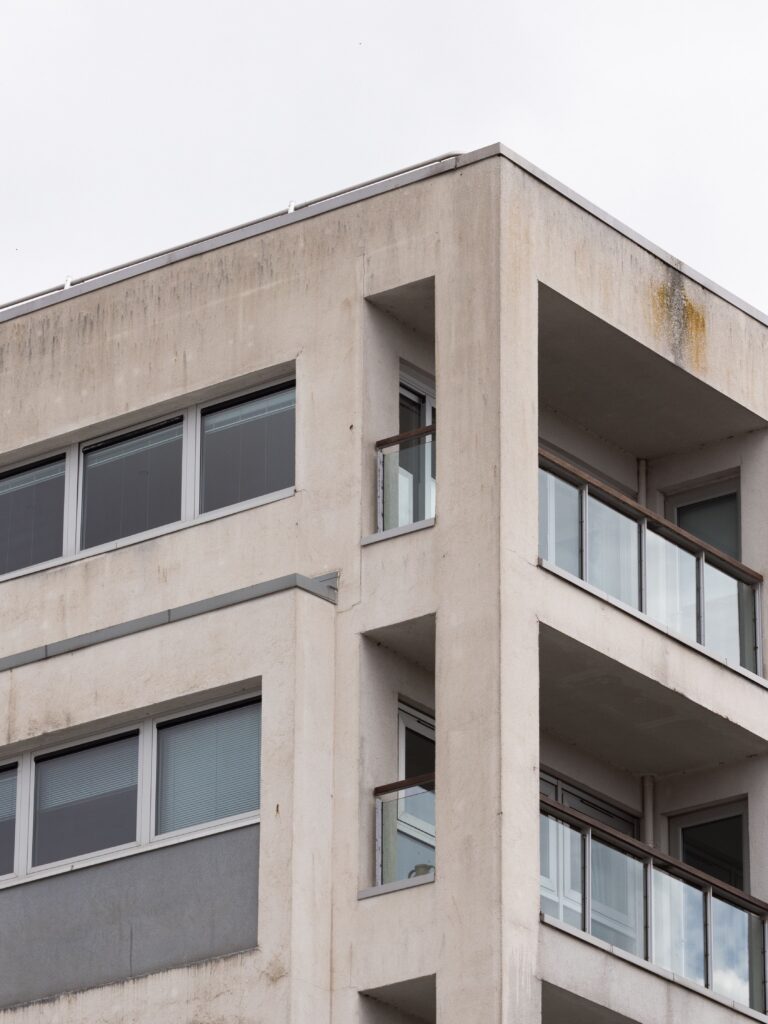
Awaab's Law sets out clear timeframes for how quickly social landlords must respond to hazards like damp and mould. For property services teams handling more than one report at once, the challenge isn't understanding the rule. It's applying it consistently, under time pressure, across a caseload that doesn't arrive in a neat queue. That starts with a damp investigation that finds the cause, not just the symptom.
The four Awaan’s law timeframes that matter
For social housing in England, potential emergency hazards must be investigated within 24 hours and, whereconfirmed, relevant safety work must make the home safe within that period. Potential significant damp and mouldhazards must be investigated within 10 working days. A written summary of the findings is usually due within 3 workingdays of the investigation concluding; it is not required if all required work to make the home safe and preventrecurrence is completed within that period, though the tenant must be told the work is complete. Where theinvestigation confirms a significant hazard, relevant safety work must be completed within 5 working days of theinvestigation concluding. These deadlines start at different points, so each case needs clear tracking and escalation.
Recurring damp: Why 'resolved' has to mean the cause was found
Treating the visible symptom, redecorating over a damp patch or running a dehumidifier for a week, isn't the same as resolving the underlying issue. If the source is an undetected leak, rather than simple condensation, the mould will return, and a second report from the same tenant about the same problem is a much harder position to defend than getting it right the first time. A properdamp investigation needs to distinguish between condensation-driven damp and a leak-driven one before any remedial work starts, because the two require entirely different fixes.
Prioritising when multiple tenants report issues at once
Not every report carries the same risk. Health-related factors, the age or vulnerability of the household, and how long an issue has already been present should all inform which cases get investigated first, particularly when several reports land in the same week. A consistent triage process, applied the same way every time, also gives a property services team a clear answer when a decision about priority is later questioned.
What a compliant damp survey and damp investigation report needs to include
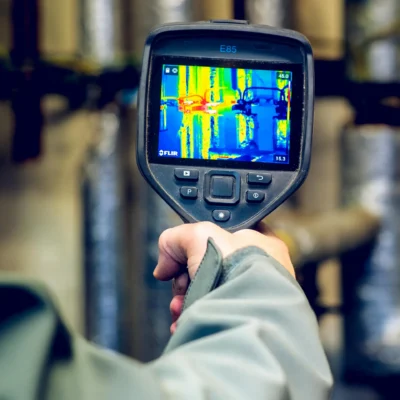
A defensible investigation goes further than a visual inspection. Moisture surveys, thermal imaging and, where relevant, acoustic leak detection, can help establish the cause and support the written summary usually due to the tenant within 3 working days of the investigation. The landlord needs to document what was found, what safety work is needed and the next steps; the specialist’s survey report can provide evidence for that process. For teams handling a live caseload, the practical question is less about knowing the rule and more about having a repeatable process, and a water leak specialist, that can move fast enough to meet it every time, not just when the numbers are manageable.
Talk to us about a rapid-response damp and leak investigation service built around Awaab's Law timeframes.
SOS Leak Detection Ltd
Nationwide specialist leak detection
0800 046 3492 | enquiries@sosleakdetection.com
sosleakdetection.com
Explore our leak detection services







Contact Your Leak Detection Specialists Today
"*" indicates required fields