
| Site type | Multi-building campus |
|---|---|
| Sector | Commercial / Multi-building |
| Challenge | Continual water meter movement and unexplained high water use |
| Solution | Acoustic testing, staged isolation, outlet inspections and pressure testing |
| Result | Water loss traced to overflowing sanitary fittings; no further pipework loss indicated |
The Challenge
SOS Leak Detection was appointed to investigate high water use across a multi-building campus. The external water meter showed continual movement, while the incoming water network supplied several buildings and fire hydrants, creating a wide investigation area with multiple possible sources of consumption.
The investigation required a staged approach to separate genuine pipework loss from internal water use. Acoustic testing, meter observations and controlled isolation were used to narrow the issue before detailed inspections of toilets and urinals were completed across the affected buildings.
Key Challenges
- Continual movement on the main water meter confirmed uncontrolled water use
- A shared rising main supplied multiple buildings and fire hydrants
- More than one internal source was contributing to the water consumption
- Overflowing urinals were identified due to failed solenoid control
- Multiple toilet inlet valves were continuously allowing water into cisterns
The Solution
A systematic investigation combined meter checks, acoustic testing, staged isolation, internal outlet inspections and pressure verification to distinguish uncontrolled sanitary water use from a concealed pipework leak.
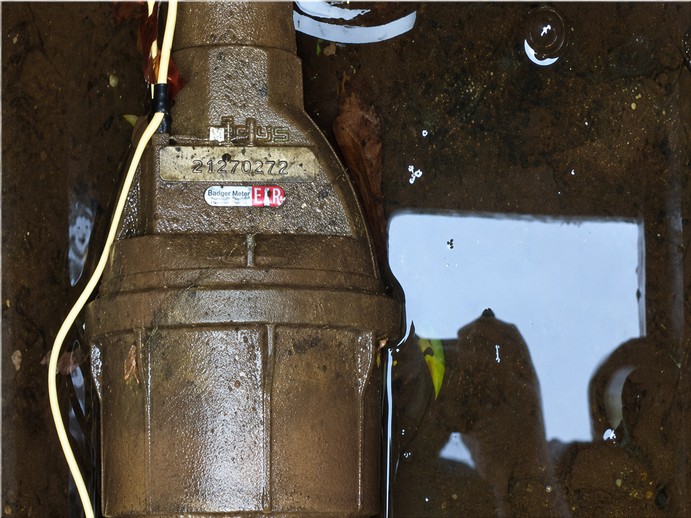
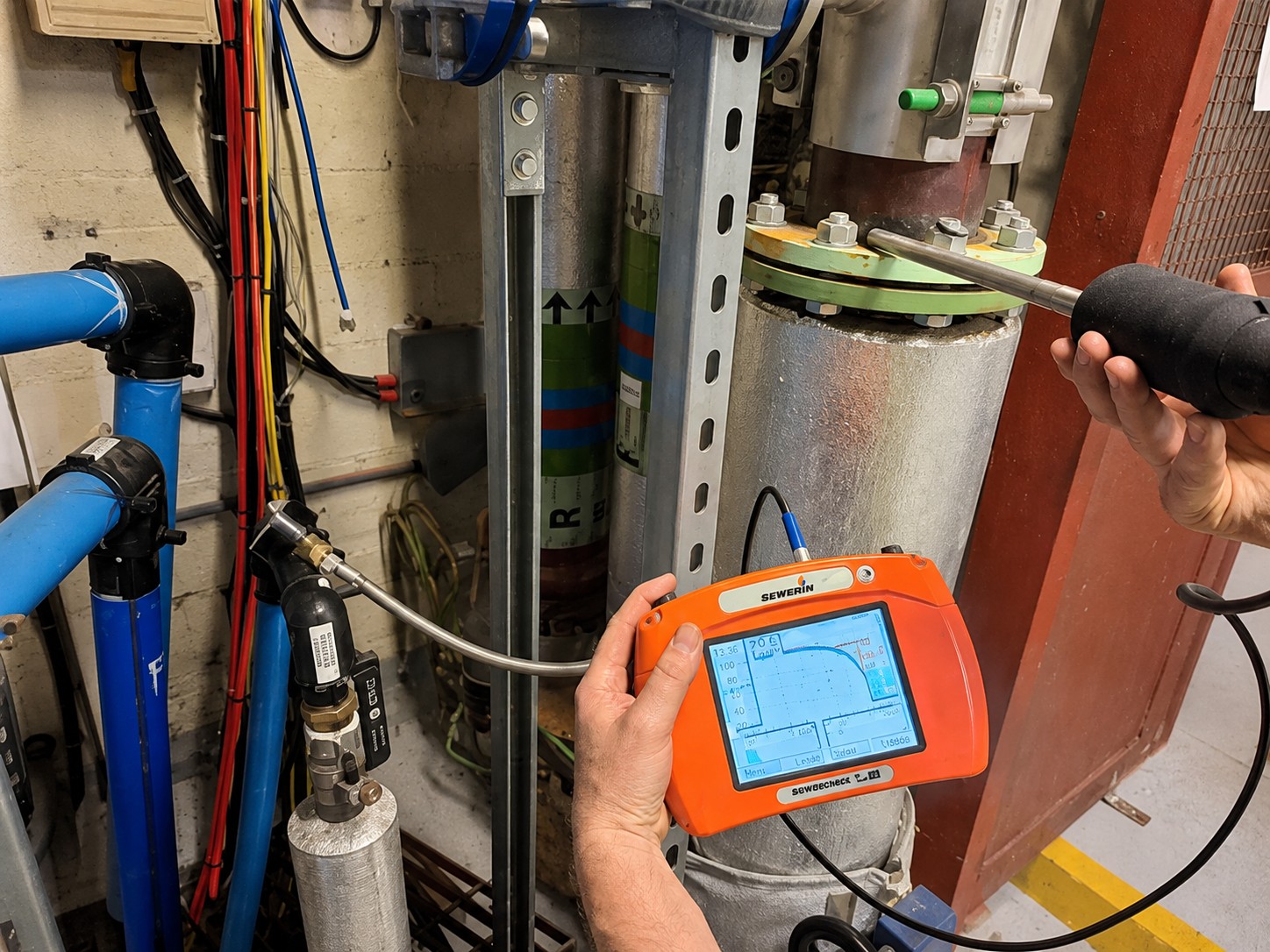
Meter and acoustic testing: The main water meter showed continual movement. Acoustic testing was then carried out across the shared rising main and selected buildings to screen the incoming water network for leak-related sound.
Staged isolation: Isolating one rising main reduced the water meter movement by more than half, confirming that a significant proportion of the consumption was occurring within that part of the campus.
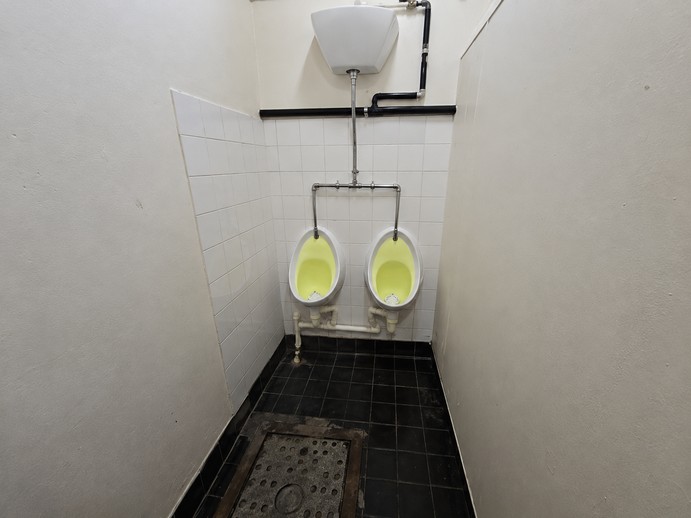
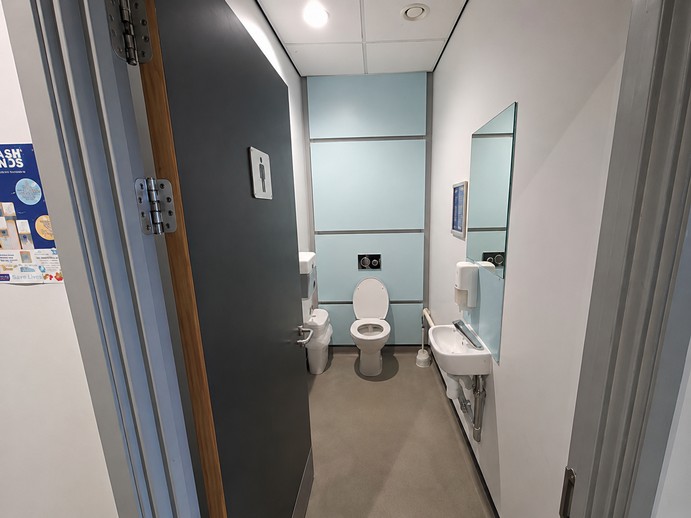
Outlet inspection: Visual inspections identified overflowing urinals with failed solenoid control and multiple toilets that were continuously allowing water into their cisterns. The affected outlets were isolated for further testing.
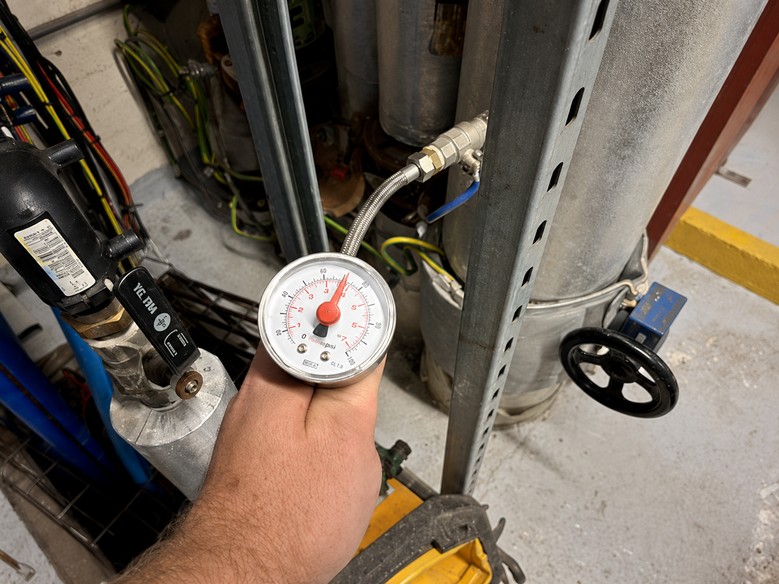
Pressure verification: With the affected toilets and urinals isolated, the main meter became static. A pressure test was then maintained for approximately three hours with no drop in pressure.
The Results
The investigation established that the reported high water use was being caused by continuously overflowing toilets and urinals rather than an ongoing leak on the incoming pipework. Once the affected sanitary outlets were isolated, movement on the main water meter stopped and the subsequent three-hour pressure test remained stable.
- Continual water meter movement confirmed uncontrolled water use at the start of testing
- Isolating one rising main reduced meter movement by more than half
- Overflowing urinals were identified with failed solenoid control
- Multiple toilet inlet valves were found continuously passing water
- With the affected sanitary outlets isolated, the main water meter became static
- A three-hour pressure test showed no loss of pressure on the water supply pipework
Why SOS Leak Detection?
This project demonstrates the value of combining meter-led isolation, acoustic screening and detailed internal outlet inspections on complex multi-building sites. The investigation avoided unnecessary excavation by proving that the high water use originated from sanitary fittings and by confirming stable pipework pressure after the affected outlets were isolated.
-
Multi-building diagnostics
The shared water network was assessed systematically across multiple buildings. -
Meter-led isolation
Changes in meter movement were used to separate the areas contributing to water use. -
Internal outlet inspection
Overflowing urinals and continuously filling toilets were identified as the sources. -
Pressure verification
A three-hour pressure test remained stable after the affected outlets were isolated. -
Clear remediation
Replacement of the identified urinal solenoids and toilet inlet valves was recommended.
Contact Your Leak Detection Specialists Today
"*" indicates required fields